Master Model Railroading
Expert tutorials, in-depth guides, and best practices to help you build better layouts
All Tutorials
6 tutorials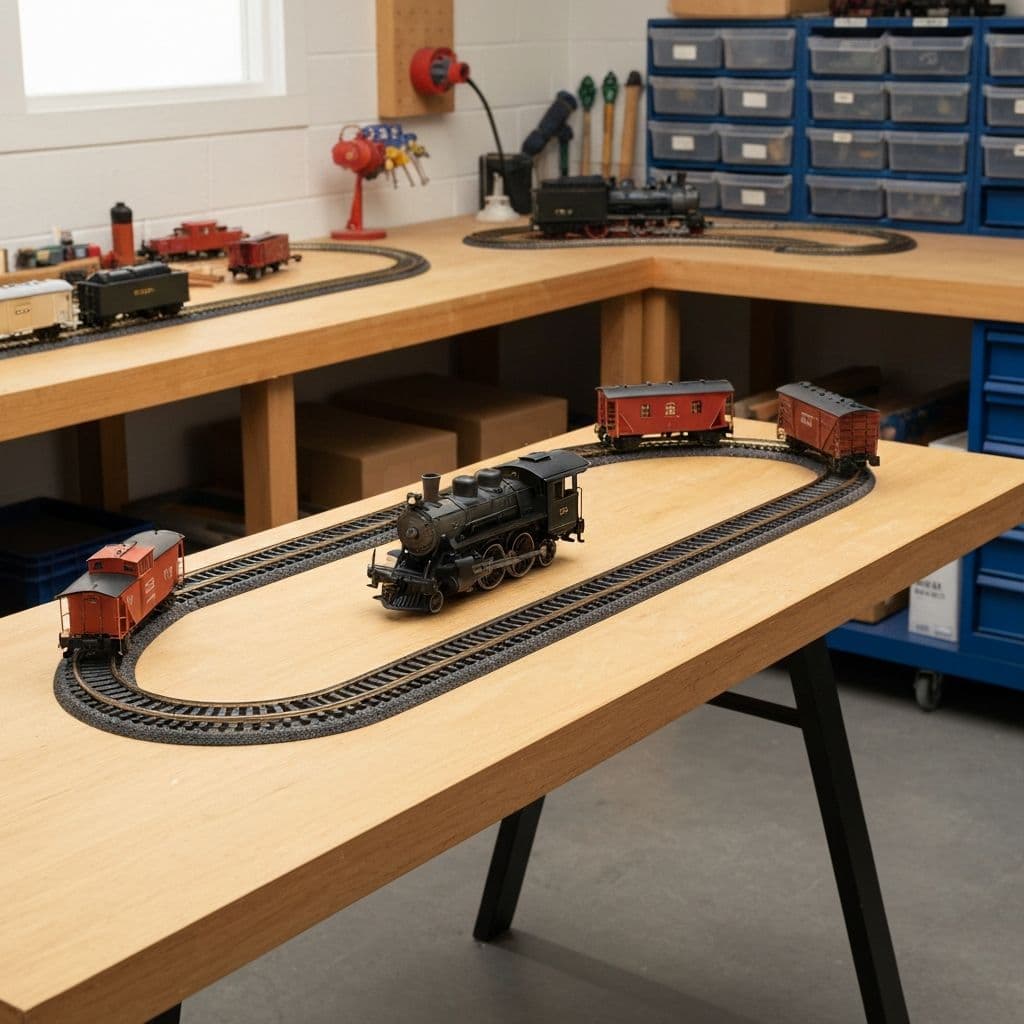
Need Personalized Guidance?
Our AI assistant can answer specific questions and provide custom recommendations for your layout.
Chat with AI AssistantModel Railroad Glossary & Encyclopedia
Essential terminology every model railroader should know
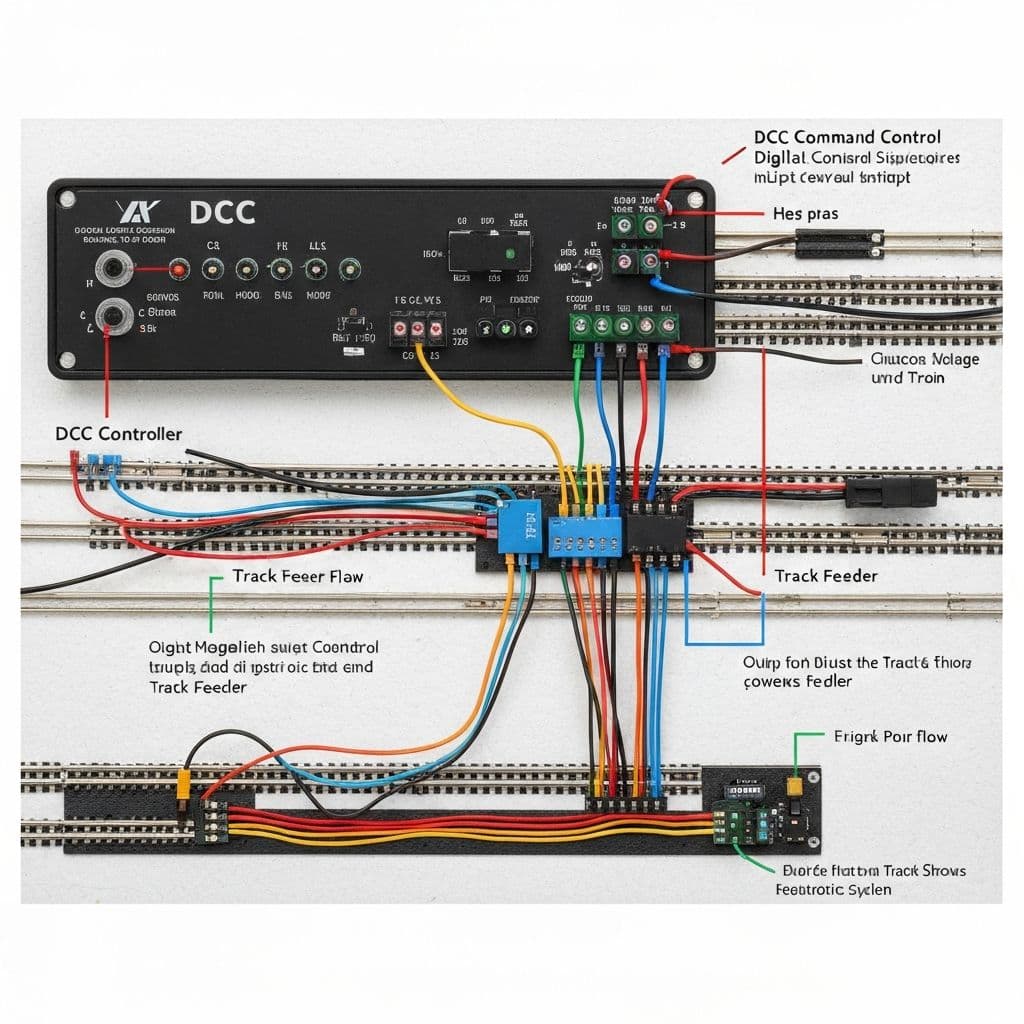
DCC (Digital Command Control)
A system that allows independent control of multiple locomotives on the same track using digital signals sent through the rails.
Turnout
Track switch that allows trains to move from one track to another. Also called a switch or points (UK).
Consist
Two or more locomotives coupled together and operating as a single unit, often used for heavy freight operations.
Benchwork
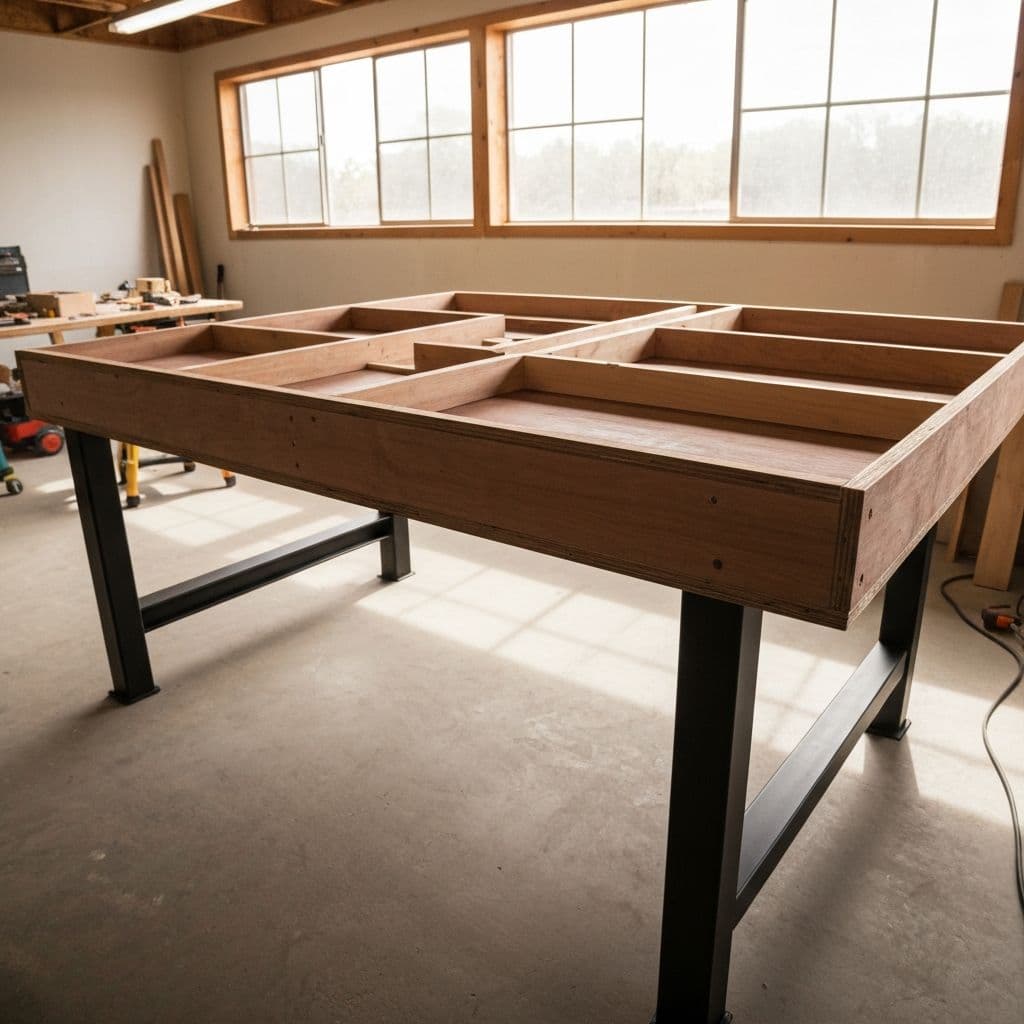
The structural framework that supports your model railroad layout, typically made of wood.
Roadbed
The foundation layer under track, often cork or foam, that provides cushioning and realistic elevation.
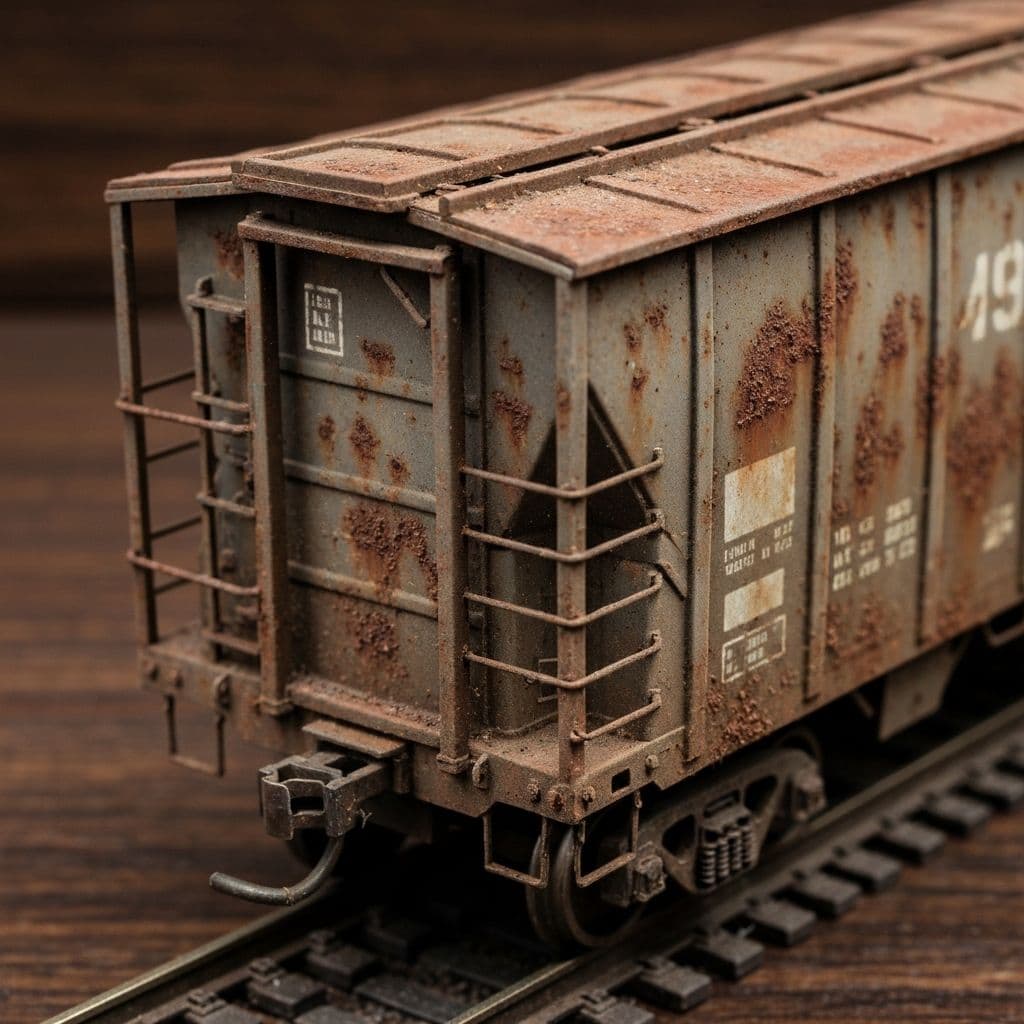
Weathering
Techniques used to make models look realistically aged, dirty, or worn through paint and other methods.
Flex Track
Flexible sectional track that can be curved to any radius, as opposed to fixed-radius curved sections.
Mainline
The primary route on a railroad, typically featuring through traffic and higher speeds.
Siding
A secondary track parallel to the main line, used for passing or storing cars and locomotives.
Staging
Hidden track sections representing off-layout destinations where trains originate or terminate.
Helix
A spiral track arrangement used to gain elevation between layout levels in a compact space.
Scale
The ratio between the model size and the real prototype, such as HO (1:87) or N (1:160).
Gauge
The distance between the inside edges of the rails, with standard gauge being 4 feet 8.5 inches in real life.
Prototype
The real railroad, locomotive, or car that a model is based upon.
Kitbashing
Combining parts from multiple model kits to create a unique or more accurate model.
Block
An electrically isolated section of track used for signal control or detecting train presence.
Fascia
The finished front edge of the layout benchwork, often painted and used to mount controls.
Backdrop
A painted or printed scene behind the layout that creates depth and hides the wall.
Coupler
The mechanism that connects rolling stock together. Knuckle couplers are standard in North America.
Sound Decoder
A DCC decoder with built-in speaker and sound effects replicating the prototype locomotive.
Narrow Gauge
Track gauge narrower than standard, often 3 feet or 2 feet, used in mountainous or mining areas.
Proto:87
Exact-scale HO modeling where wheel and track dimensions match the 1:87 ratio precisely.
Operations
Running a layout like a real railroad with car routing, train schedules, and switching tasks.
Minimum Radius
The tightest curve a locomotive or car can negotiate without derailing.
This glossary covers common model railroading terminology. For more in-depth explanations, check our tutorials above or ask our AI assistant.